For the past decade, residential design has been trapped in a neutral cycle. We were told that to make a home feel spacious, clean, and valuable, we had to strip away color and texture, leaving behind an endless expanse of greige and stark white. While that approach works fine for a modern high-rise, it strips the soul entirely out of a historic home.
When I moved into my 1941 cottage six months ago, the interior walls felt entirely ungrounded. To bring the character back, I knew I had to step out of the neutral zone and embrace intentional color and vintage textures. By treating the dining room and living room as connected, atmospheric chapters rather than sterile white boxes, the entire house transformed. Here is how to use cohesive color values and rich textures to create spaces you never want to leave.
1. The Power of Saturated Contrast on Woodwork
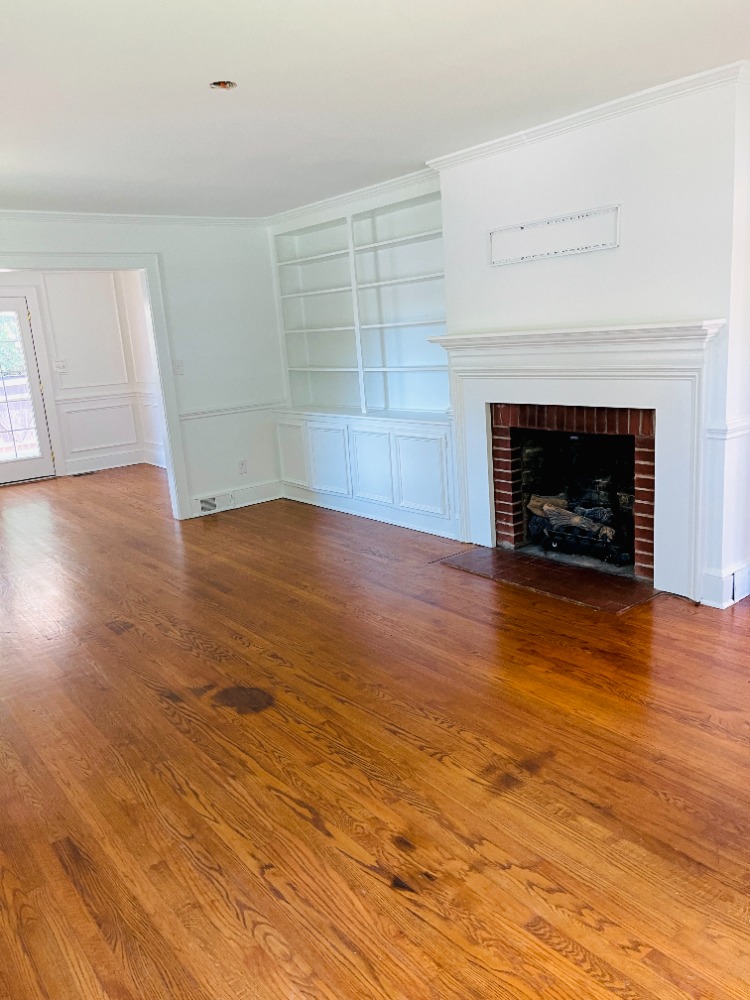
Flipped historic homes almost always feature trim, molding, and built-in shelving painted the exact same flat white as the walls. This completely flattens the craftsmanship.
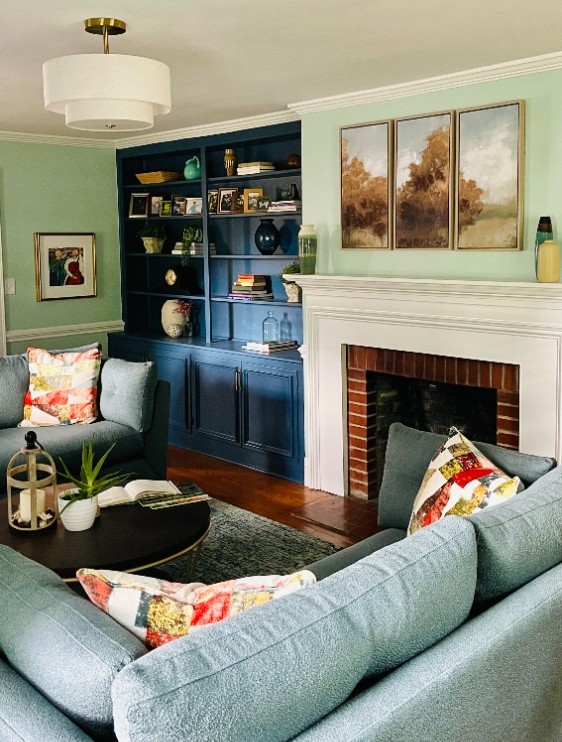
In my living room, I decided to lean into a cozy, welcoming ambiance by wrapping the walls in a beautiful shade of green—intentionally selecting a deeper, more saturated tone than the soft blue-green found in my kitchen and dining room. But the real transformation happened when I turned my attention to the original built-in shelving unit flanking the fireplace. Instead of blending it into the walls, I painted the entire built-in a deep, commanding blue.
The Design Secret: Do not fear sophisticated colors on woodwork. Painting built-ins or trim a contrasting shade like deep blue against a rich green wall highlights the architecture and adds a visual weight that makes a room feel immediately established, historic, and custom.
2. Unifying Separate Rooms with Color Rhythm
In older homes, floor plans are often traditional and compartmentalized rather than wide open. To make a cottage feel expansive without knocking down historic walls, you must use color rhythm to connect the spaces.
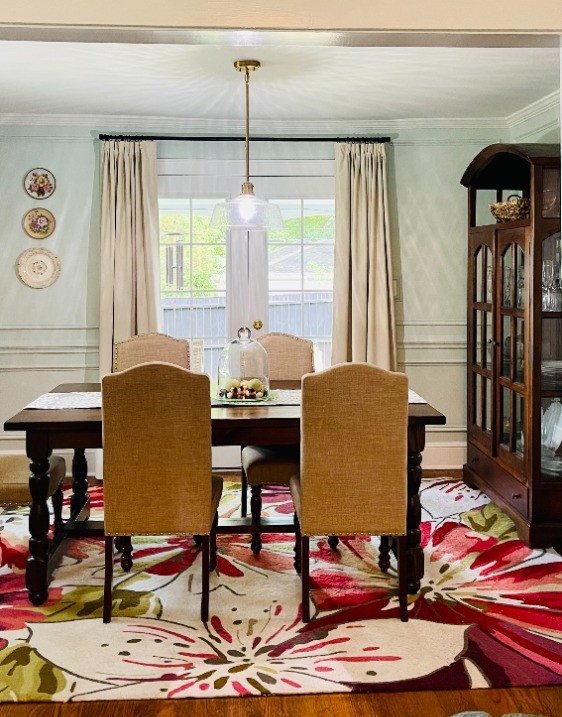
To tie my kitchen and dining room together seamlessly, I brought the soft, muted blue-green wall color from the kitchen directly into the dining room. Because the eye travels effortlessly across the threshold without hitting a jarring color change, the two rooms feel beautifully unified, sharing a quiet connection to the garden visible through the windows.
3. Banishing Flashy Fixtures for Textured Glass
Lighting is the ultimate mood-setter in a historic home, yet it’s often where modern flips fail most aggressively. Flipped spaces love trendy, linear flush-mount fixtures that feel incredibly harsh, reflective, and out of character for a mid-century or pre-war cottage.
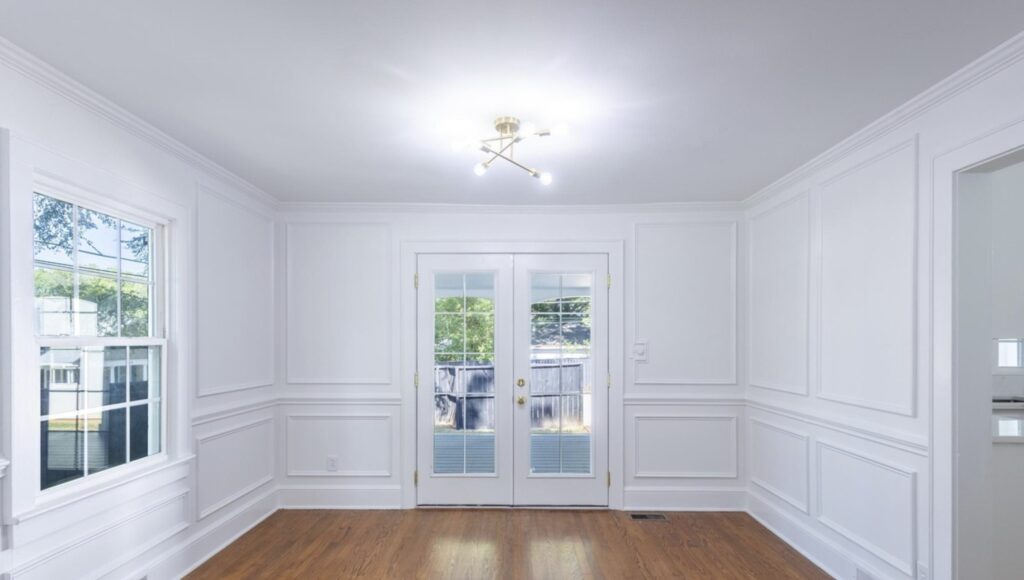
In my dining room, I stripped out a flashy, linear fixture and replaced it with a thrifted, textured glass pendant light.
Textured glass—whether it is ribbed, seeded, or frosted—completely changes how light behaves. Instead of casting a clinical glare, it diffuses the light into a soft, amber glow that mimics candlelight. When looking for lighting for an older home, prioritize vintage profiles, hand-blown details, and materials that soften the room’s atmosphere.
4. Layering the Softness with Textiles
The final element that brings warmth into a room is textiles. Without fabric, a room filled with painted drywall and wood floors can feel loud, echoey, and visually cold.
To complete the dining room’s historic embrace, I hung drapes over both the main window and the French doors. While the drapes over the French doors are almost never closed, fabric panels do not just filter light; they introduce a tactile romance and literal softness. Opting for traditional materials like heavy linen, cotton velvet, or subtle historical prints instantly grounds a room, making it feel finished, insulated, and deeply cared for.
The Atmospheric Home
Creating a beautiful home isn’t about following the fast-moving trends of the internet; it’s about leaning into atmosphere. By swapping trendy fixtures for textured glass, layering windows with rich fabrics, and embracing dark, sophisticated tones on historic woodwork, you can turn any stark white space into a moody, welcoming sanctuary that honors the past.