Disclaimer: This post contains affiliate links. If you make a purchase through these links, I may earn a small commission at no additional cost to you. I only recommend heritage pieces I genuinely love.
When we curate the interiors of our homes, we think deeply about texture, lighting, and color rhythm. Yet, we often neglect the most important room in the house: the outdoors. The front landscape isn’t just about curb appeal; it is the atmospheric transition that sets the stage for everything waiting inside.
My 1941 cottage, which I moved into just six months ago, sits on a historic street that was literally built around massive trees—some of which are over a century old. This neighborhood has a deep respect for the land, and I knew my exterior design had to reflect that. By utilizing the existing natural and architectural bones of the property, you can create a front entryway that feels deeply rooted, welcoming, and rich with narrative before you ever cross the threshold. Here are the steps to anchoring your historic home’s facade.
1. Respecting the Architectural Anchors (The Silver Maple Tree)
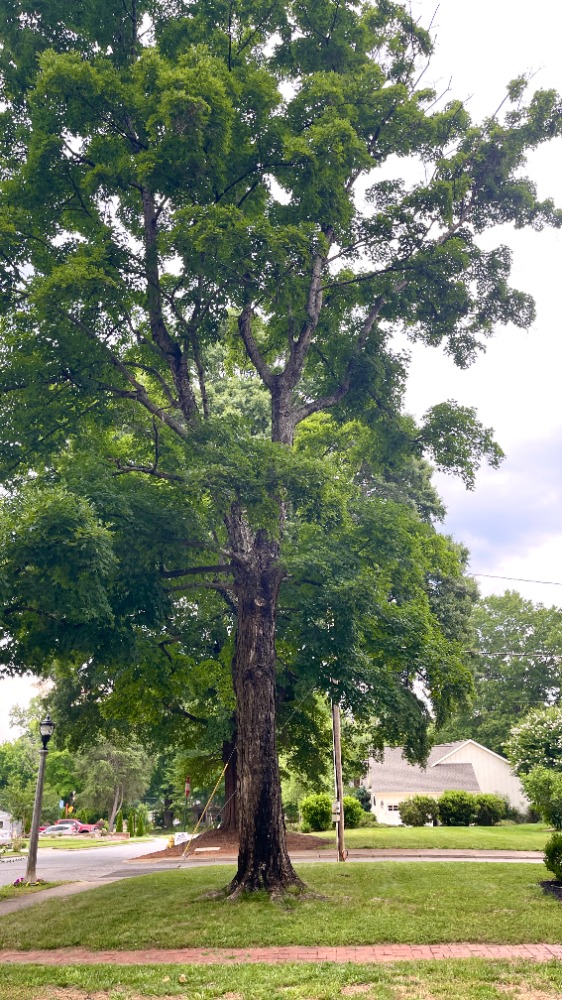
The greatest luxury an older home offers is mature landscaping. For my property, the defining feature is a massive, sweeping silver maple tree that dominates the front yard. A tree of this stature doesn’t just provide shade; it provides an immediate sense of scale and permanence.
When you possess such a powerful natural anchor, your landscape plan should bow to it, not fight it. Every plant, pathway, and lighting choice around our cottage is designed to feel cohesive with the oak tree’s presence. Rather than attempting a manicured, geometric modern lawn, we are cultivating a softer, more fluid cottage core aesthetic that lets the native maple remain the undisputed protagonist of the property.
2. Accentuating the Rhythm (The Windows)
A home’s windows are its eyes, and in historic architecture, they define the facade’s rhythm. My white 1.5-story home has traditional, working black wood shutters on the front windows. While common on older homes, shutters are rarely utilized to their full design potential.
To create a truly finished look, we treat the shutters as architectural trim. Their deep black hue provides a sophisticated, graphic contrast against the white siding and echoes the deep shadows of the massive maple tree. In a future update, we plan to unify this rhythm by painting wood window boxes (to be filled with red geraniums and Creeping Jenny!) in the exact same crisp black as the shutters, instantly adding a layer of dimension to the flat facade.
3. Designing a Narrative Pathway (The Walkways)
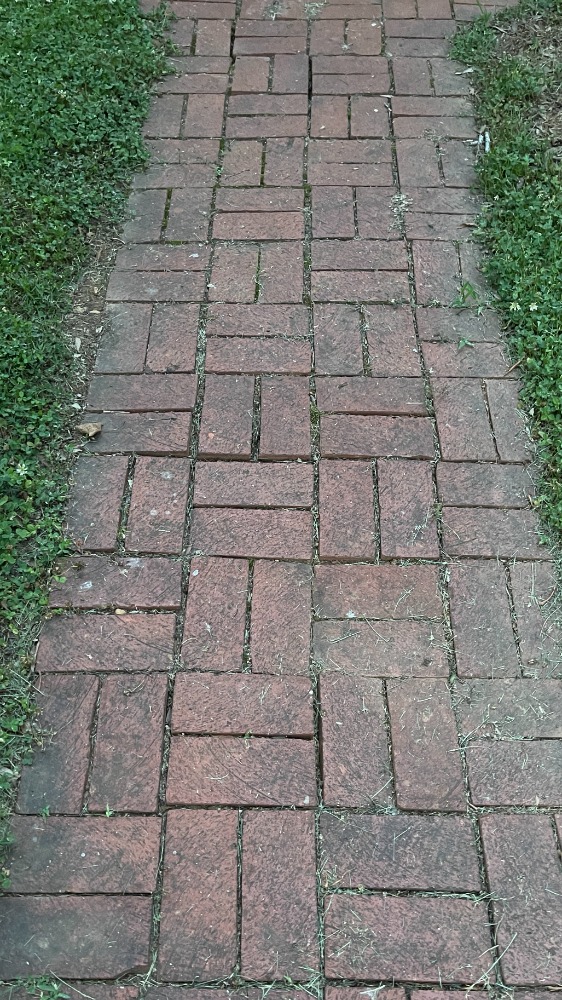
The way you guide a guest from the street to your front door is a storytelling opportunity. Historic homes often feature original brick paths, and while they may be weathered, they possess a texture and ‘patina of time’ that modern stamped concrete simply cannot replicate.
My property is blessed with two of these brick walkways—one leading from the street’s main sidewalk directly to the front door, and a second, more practical path connecting the driveway to our long covered back porch. Both pathways are in need of some care, but the bricks themselves are in good shape, and their reset is one of the larger landscape plan.
The Restoration Rule: If you are lucky enough to inherit weathered brick paths, preserve them at all costs. The soft colors and irregular texture provide a tactical romance that grounds the entire cottage. By cleaning the paths gently—avoiding harsh power washing that can damage historic mortar—and edging them with native perennials, you can turn a functional walkway into an atmospheric journey.
4. Layering the Light for Evening Charm
To truly unlock the magic of a historic home after dark, you must transition away from harsh, glaring motion-sensor lights and toward stratified lighting.
- Moonlighting: In our large maple tree, we are installing subtle “moonlighting” (uplighting or downlighting placed high in the canopy) to cast a soft, dappled pattern of light across the lawn, mimicking natural moonlight.
- Pathway Guiding: Instead of bright, stadium-style pathway lights, we opt for low-voltage, period-accurate lantern fixtures placed close to the ground along the brick walkways. This guides the foot safely while casting a soft, amber glow that highlights the historic architecture.