The Art of the Layered Home: How to Mix Textures, Tones, and Timeless Decor
Creating a home that feels both elevated and deeply inviting comes down to one fundamental design principle: layering.
In fact, when a room feels flat or cold, it is rarely due to a lack of furniture. More often, it’s because the space relies too heavily on matching sets or a single texture. By thoughtfully layering natural materials, varied wood tones, and hand-crafted accents, you can transform any space into a warm, cohesive sanctuary that looks organically curated over time.
1. Start with a Tactile Foundation
The floor sets the tone for the entire room. Instead of opting for a flat, plain carpet, build your foundation with textiles that offer dimensional depth.
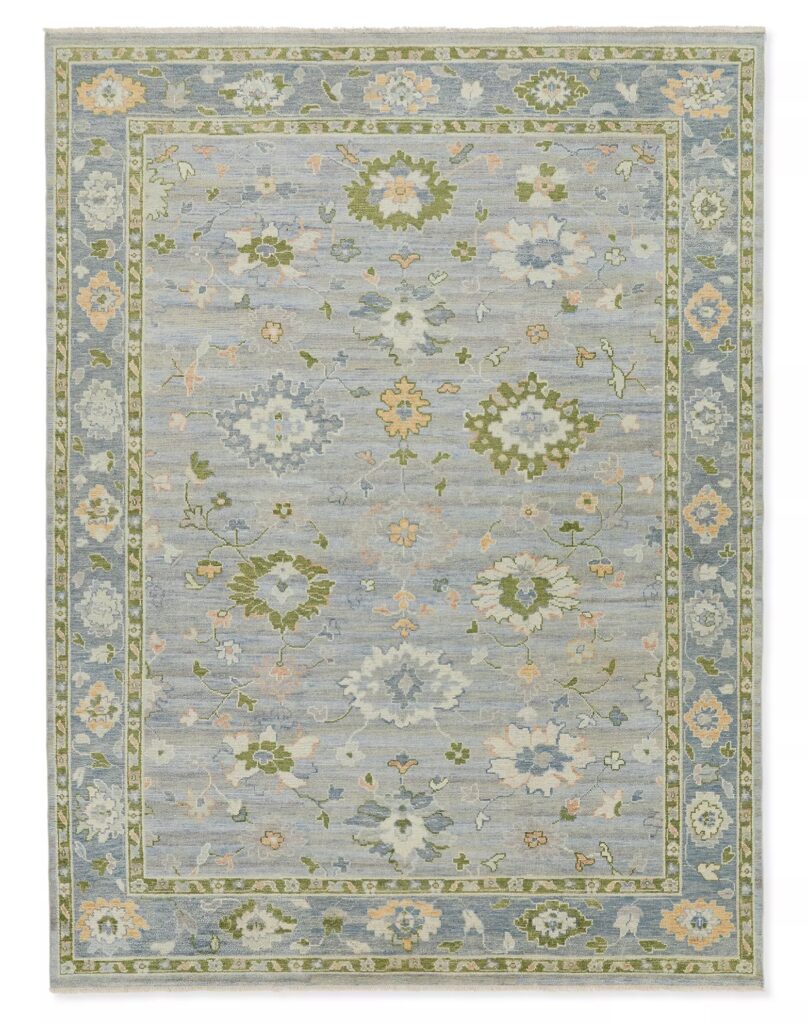
- Hand-Knotted Wool: Choosing a piece with a subtle geometric grid, like the Serena & Lily Alden Rug, brings immediate warmth underfoot while anchoring a neutral seating layout without adding overwhelming patterns.
- Natural Fibers: Additionally, layering a smaller patterned or vintage rug over a larger jute or sisal base adds structural framing and cozy visual weight to high-traffic spaces.
2. Balance Woven Textures with Clean Silhouette Lines
To prevent a neutral or coastal room from feeling monotonous, contrast structured furniture with organic, woven elements.
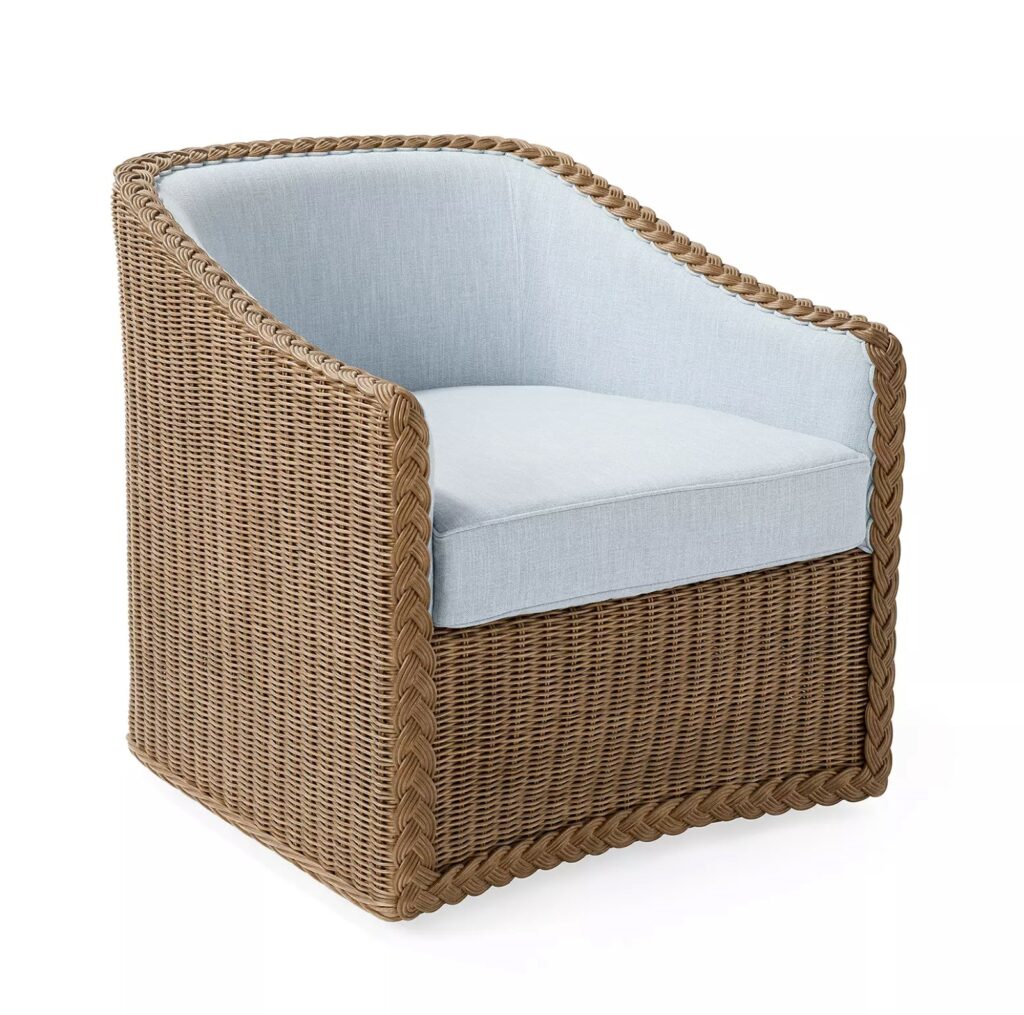
- Wicker & Rattan: For instance, pieces featuring handwoven wicker bring nostalgia and artisan craftsmanship into modern layouts.
- Movement & Function: Furthermore, incorporating dual-purpose seating like the Serena & Lily Yarmouth Swivel Chair gives you functional 360-degree flexibility across open floor plans, effortlessly bridging two focal points—like a fireplace and an outdoor view—without interrupting architectural sightlines.
3. Mix Metallic Warmth with Luminous Accents
Lighting is the jewelry of the home. Therefore, rather than relying solely on overhead recessed lights, layer your lighting sources at varying heights using wall sconces, lamps, and pendants.
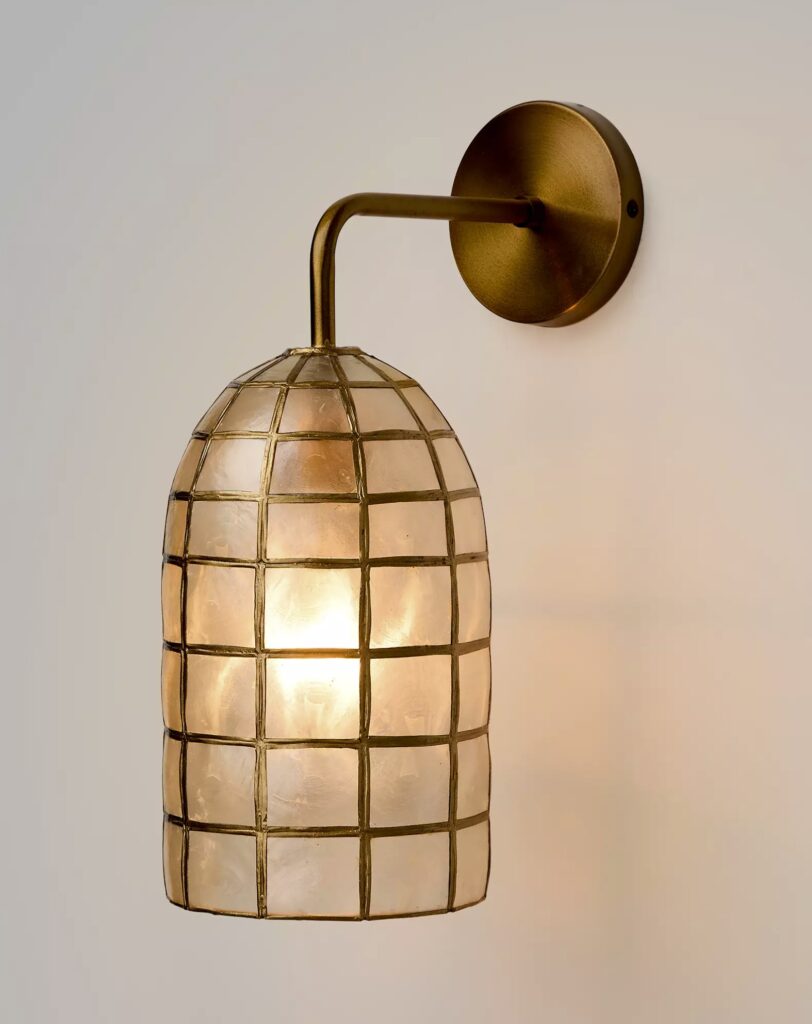
- Natural Shell & Glass: Materials like translucent capiz shell diffuse light naturally, creating a soft, pearlescent glow that harsh glass fixtures can’t replicate.
- Warm Brass Details: Mounting fixtures like the Serena & Lily Capiz Square Sconce in dark hallways, powder rooms, or beside bathroom mirrors frames organic shell textures with warm metallic details, bringing ambient luminescence to tight spaces.
The Curator’s Golden Rule
“A truly well-designed space should never look like it was bought in a single afternoon. Mix ages, balance rough textures with smooth finishes, and always prioritize pieces that bring quiet comfort to your daily routines.”